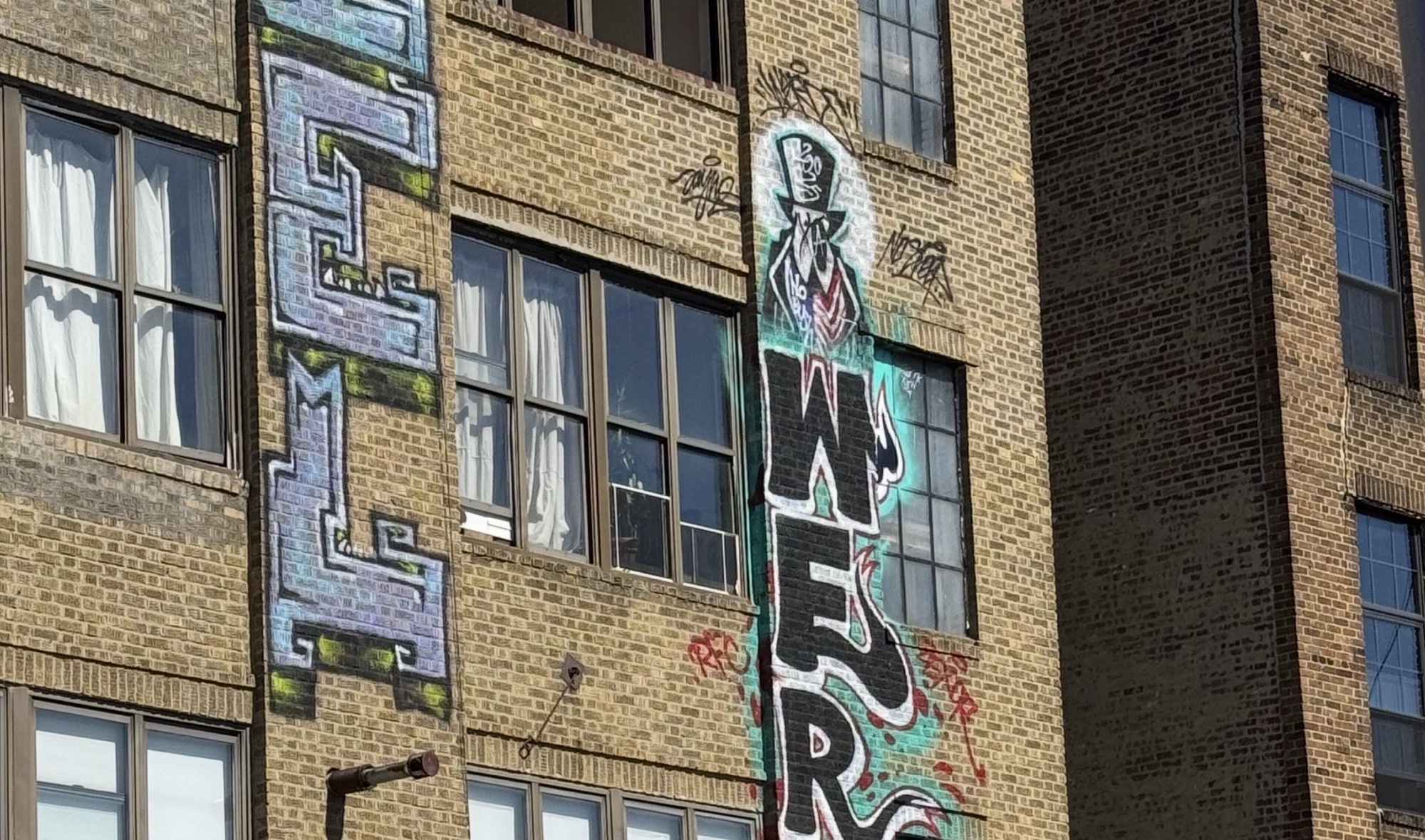
My loft has an interesting history. As with any old NYC building, time and people have influenced and changed its purpose. What started as a 1931 35,000 sqft industrial warehouse turned into a space where 26 units now comprise a wide variety of commercial and residential tenants. As a part of the 1982 ‘loft law’ addition, the last 20 years have seen a migration from abandoned building into full occupancy, with a makeup of people and businesses that span demographics, interests, and longevity. Some tenants have been here the entire 20 years, while others come and go on the standard NYC cycle. Businesses operate the same, where trying to make it where cost is king, results in small slivers of success.
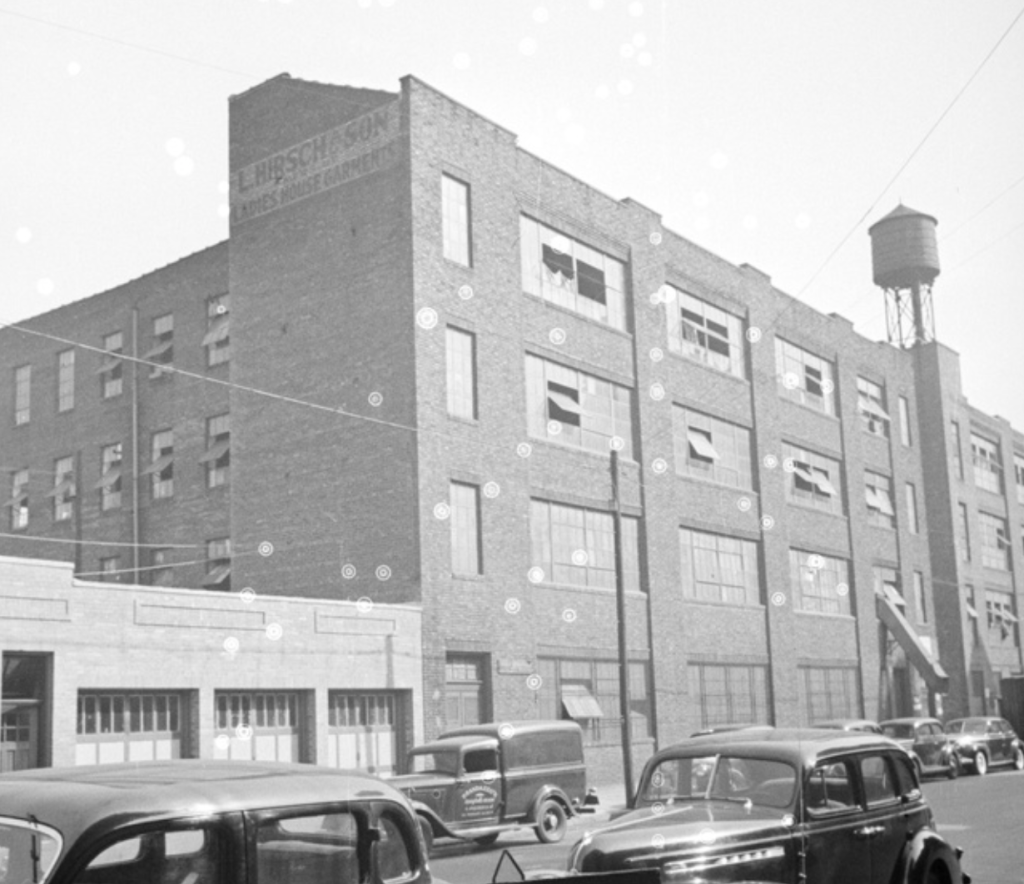
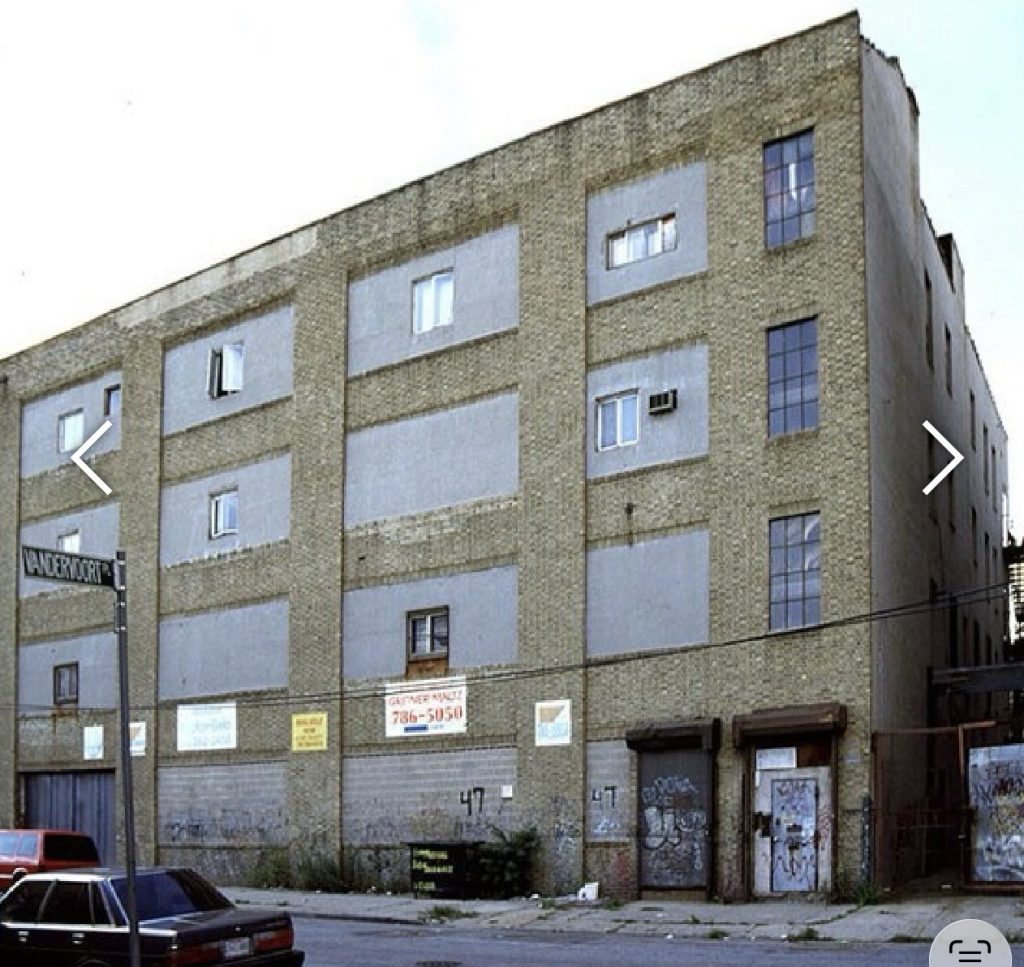
The beauty of 1931 fell into the despair of the 1980s, where once large open windows fell to cinderblocks of protection and isolation. A sad time for the building, and the city in general. Bushwick specifically was a place where destruction and crime accelerated deterioration. It would take years until the area was revitalized, mainly due to L train accessibility to Manhattan, and a new wave of gentrification, aimed at a final frontier of loft spaces that have a degree of affordability. Final remains of the industrial era of New York.
Abandoned, the building still had an owner, and soon, a new one. As is standard in NYC, housing is a means of wealth generation (and extraction). I have yet to find a landlord who puts effort, pride, and competency ahead of the bottom line. Coming from a history of helpful relationships in Chicago, with buildings that operated as palaces in comparison, I struggle to see why this must be. The common thread is ‘think what the absolute bare minimum effort is’, then click it down two notches, and you will find the core ethos of NYC property management.
Time spent at the loft has solidified my opinion, among other spaces I frequent volunteering for NYC Mesh. It doesn’t take long to see what landlords are willing to accept for their tenants, as long as the rent checks continue to flow. We found ourselves in this predicament not long ago, as the property owner died, kids received it in a trust, and used the rent roll as a personal piggy bank. The building, now a year deep into bankruptcy is held by the court, and a management company that specializes in distressed assets. Nothing gets done, the building rots, business as usual.
This lengthy pretext is to set the stage for the latest issue. The challenge at hand, the problem waiting to be solved.
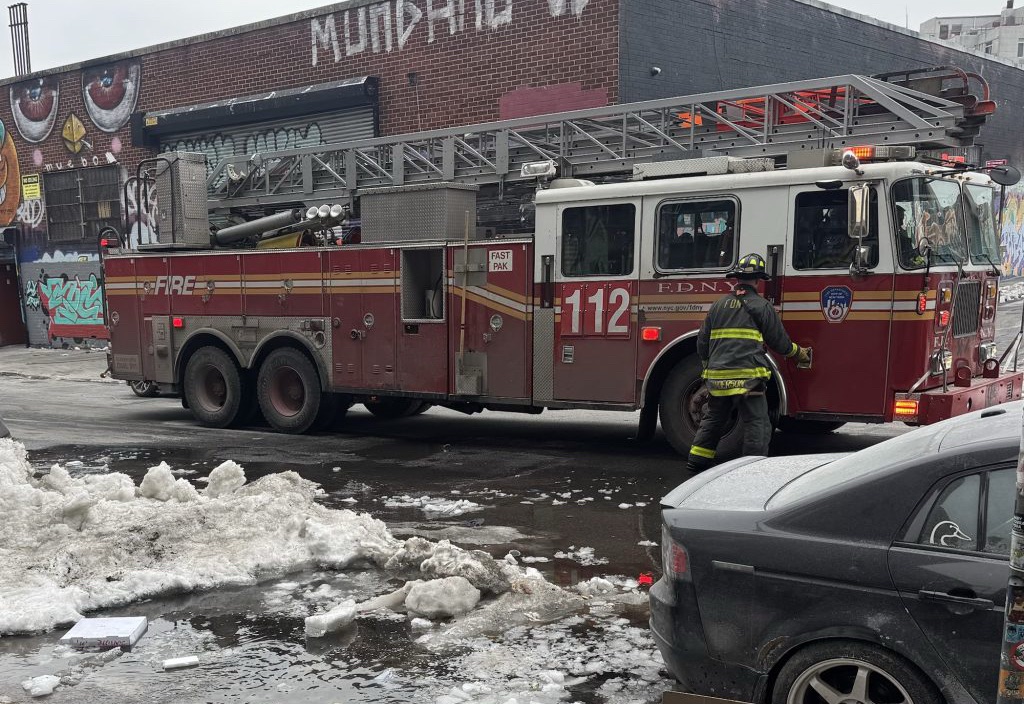
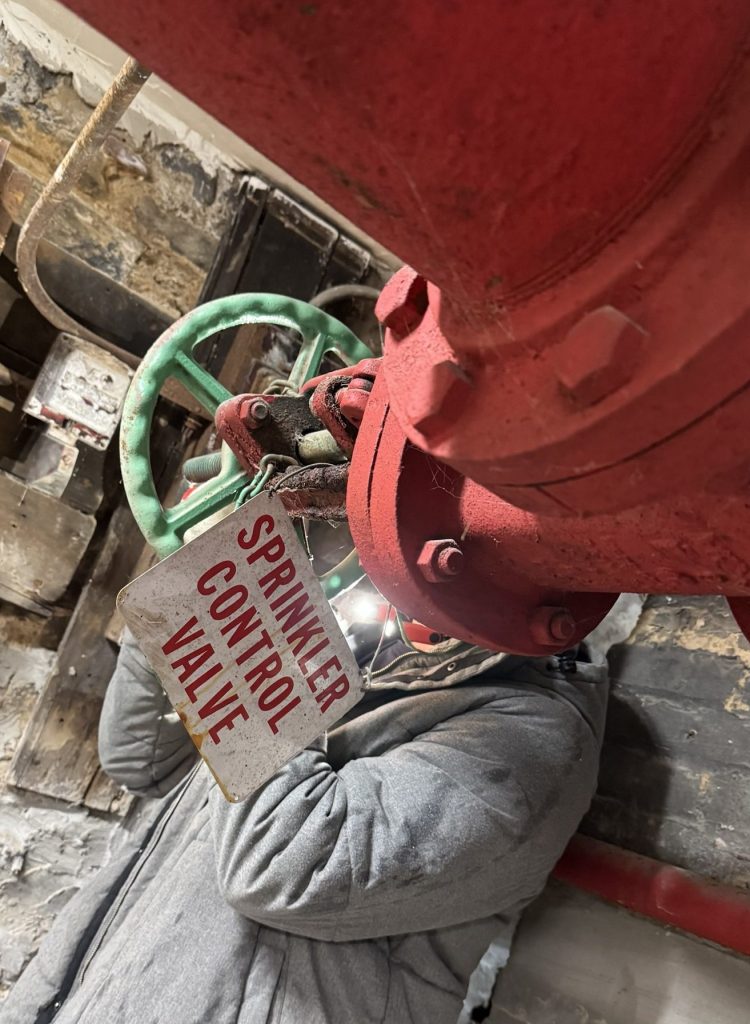
A few weeks ago, on a relatively boring weekday, I saw a flood of water heading down the alley. A team of people were diverting a river from the adjacent building, in an attempt to prefer the street and drain. Knowing the adjacent building has a commercial laundromat on the bottom floor, I assumed their water pipe had broken, and they were mitigating. It was the basement alarm of our building that led me to the waterfall downstairs. The water was from us, not them.
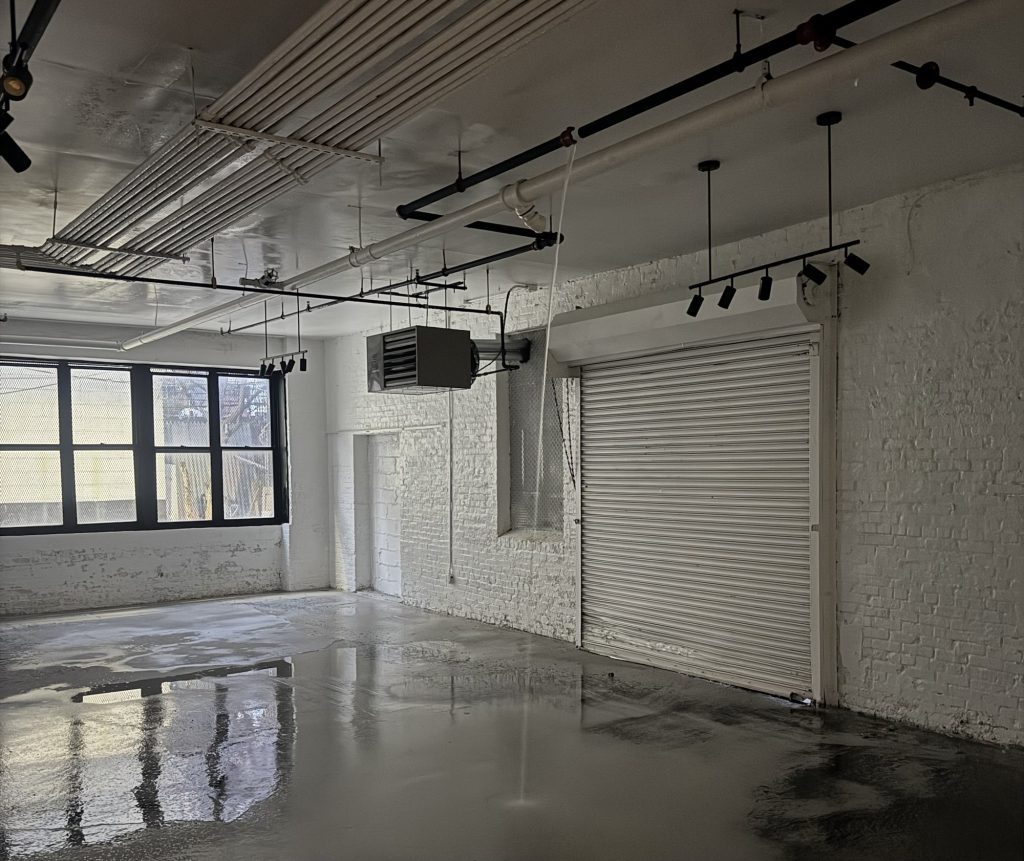
Soon after, the fire department showed, identified the source, and killed our water main. Everything made sense. The bottom corner unit, abandoned for 6 months. No power, no heat, and a commercial door that leads directly outside. The last month was brutally cold. A pipe had frozen, expanded, and now thaw. No ordinary pipe, a commercial fire suppression system. Not just one head, but the main feeder pipe for the unit.
The break in the pipe sent a solid tube of water at the far wall. The source of the river. The room was ice cold, and with no electricity, the gas heater could not run to ensure the pipes don’t freeze. Damage this bad tends to finally get a few minutes of attention, but as expected, the moment the water stopped, so did the attention.
I took it upon myself to set up a system. One that would ensure we have an early warning before the pipes freeze again. With no power in the room, and an unwilling management to take initiative, you do what you can.
I already had a Shelly on the first floor, performing the duties of a Bluetooth Proxy. The proxy reports nearby devices to my far away Home Assistant instance, and a quick test showed decent coverage. With the Meshroom in a paused state, I decided to put a few of the Bluetooth based temperature humidity sensors in storage to use.
I thought of other areas in the building likely to suffer the same fate. Beyond the abandoned unit, the stairwell is sealed off from heated hallways. The same fire suppression routed through each floor. On the top floor a functioning heating wire wrapped on the pipe, but exposed to ambient below. On the first floor, the hallway heater was broken, so ambient heat only comes from adjacent units, and consistent draft from the door to outside.
With a plan in mind, sprung to action. All 3 sensors adopted, deployed, and starting to log. Within an hour, temperatures stabilized, and the threat became apparent. Outside was 33F, just as the blizzard came to a close. Inside, numbers quite similar. Terrifying! Considering the values between the incident and today, another dip and we would see another blown pipe. Forecast showing multiple days ahead with those conditions, drops to 15 degrees. A week later, 8 degrees.
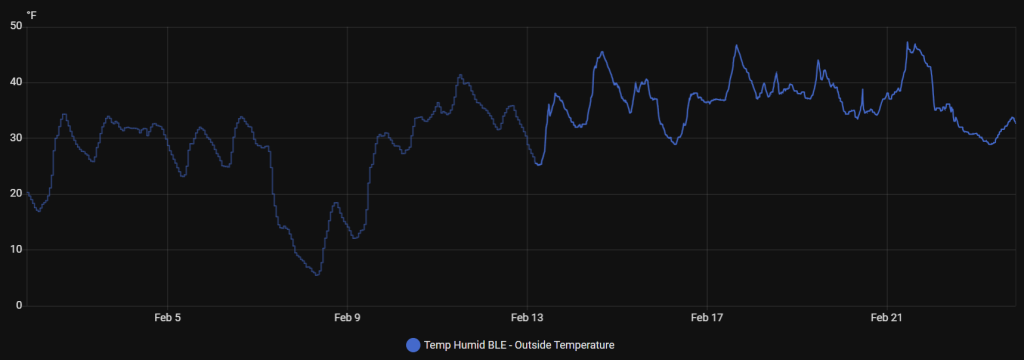
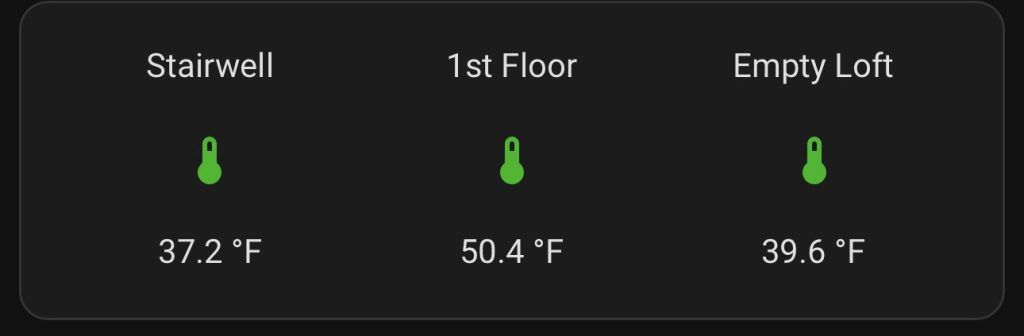
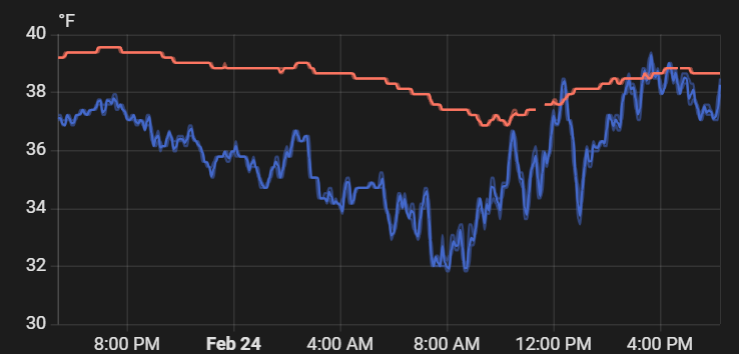
With actionable data in hand, what is the solution? This is the question I am pondering today.
- Do I let the world burn?
- Plead for the 11th time to management?
- Let the bank holding the loan know?
- Report the negligence to the city?
- Add a space heater from a ‘house bill’ outlet?
- See if the gas heater will work if it gets power?
What would you do?