
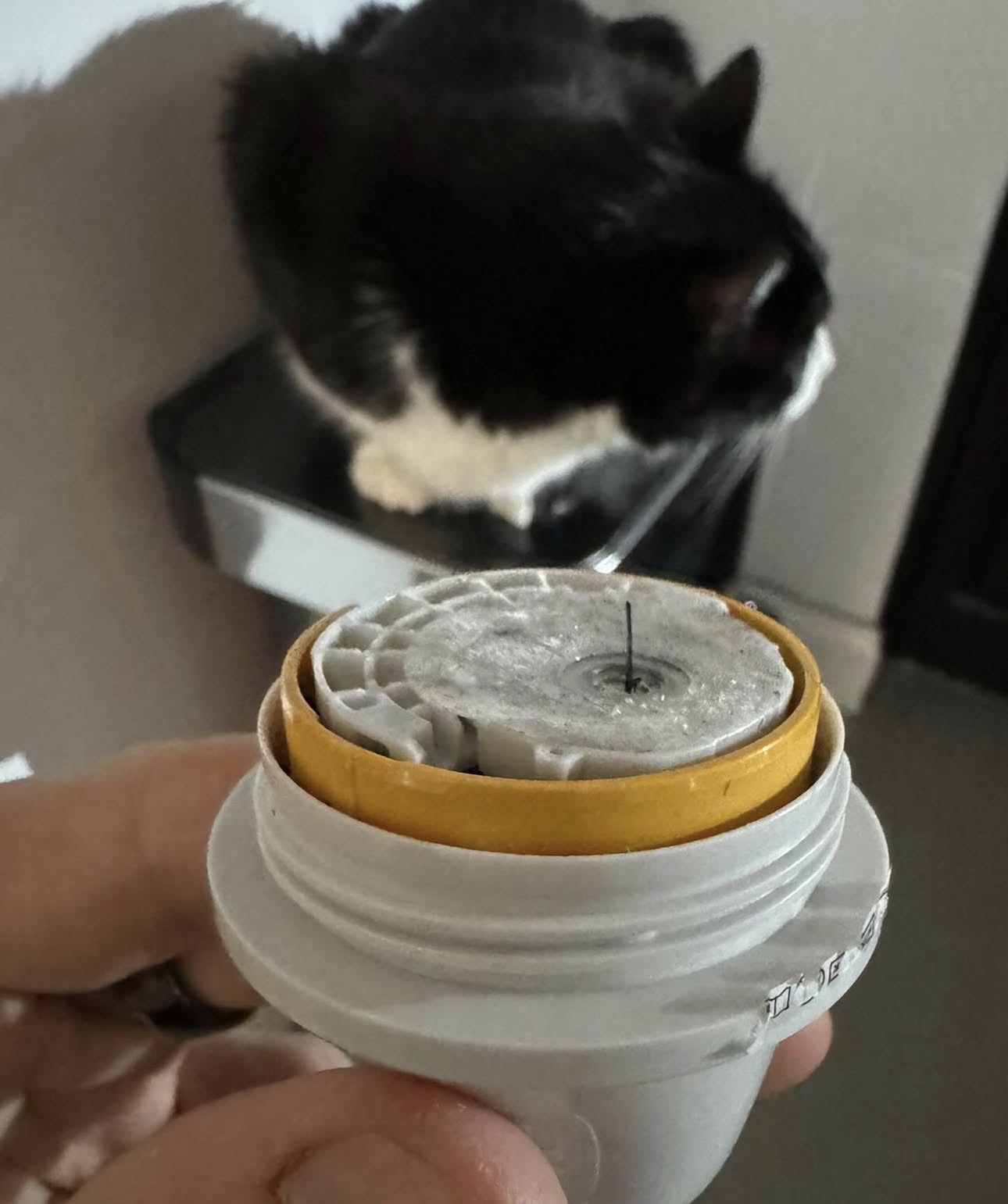
I want to preface, ‘I am not a Doctor’, ‘I am not a Vet’, but I am someone who is interested in solving problems, especially when it’s something well within my grasp. This is how I got KitKat from a bad medical state upon adoption, now a very happy cat with 9 lives ahead.
Kit is a rescue. He came to me from Death Row Cats NYC, where he had a few hours to live in the ACC kill shelter. I was looking for a buddy to help me keep the rats and roaches at bay in my new Brooklyn loft, and I figured, why not foster when I have the opportunity. I registered with New Hope partner ‘Cat Republic‘ to expediate the process, and within a day, Kit was delivered to my doorstep.
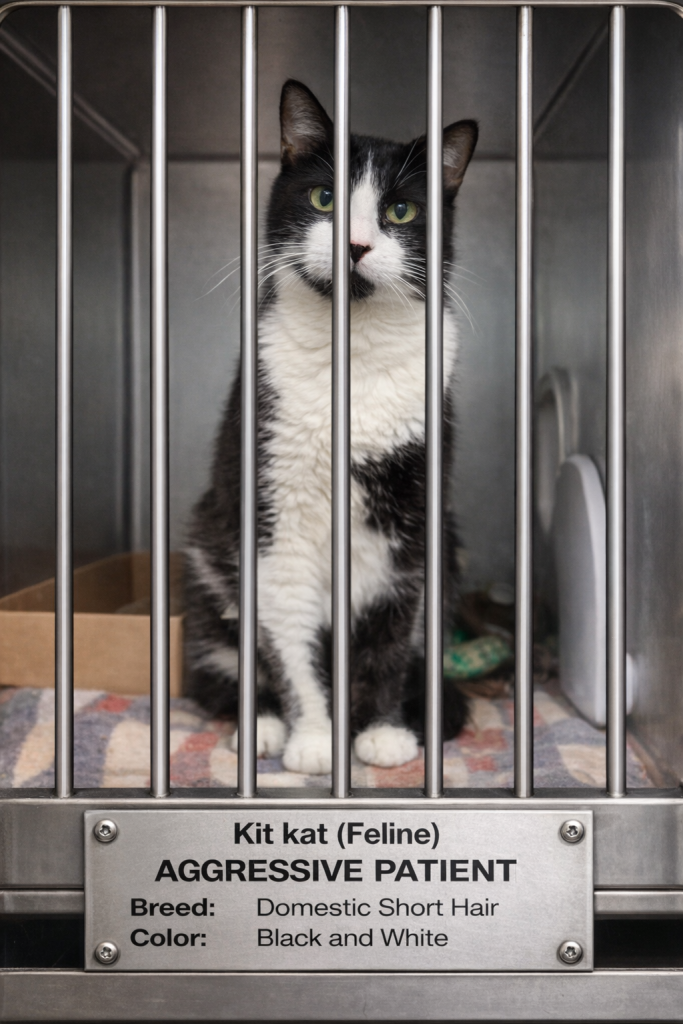
Kit seems to have had a rough life. At 8 years old, he was 3 months into his prison time. Given up by his family due to expense, with half his teeth rotting away. He was not very happy in this cell, which led to his sentence to ‘Death Row’. Cat Republic stepped up, and worked with Park Slope Vet to get his teeth fixed, but lab work showed high blood sugar. We put Kit on a diet and hoped to get things managed to go under for cleaning and extractions. A few months later, and half his teeth later, he emerged a new cat.
It wasn’t until I took him for a yearly exam, that we discovered his blood sugar numbers were still sky high. I should have noticed the signs; constant thirst, massive pees, and always hungry, but we learn. Cats are always hungry. Testing at home, with less stress to elevate numbers, showed that Kit had diabetes, and must have been suffering for years without treatment. He was starving in that cell. At this point, I was a failed foster, and Kit needed my help.
I’m not going to go deep into my opinion of the FDA, but other countries had already approved Continuous Glucose Monitors for use outside of prescription requirements. I do not understand why a prescription is required, but this issue has finally been solved in the USA as of 2026, as this is now a popular addon for health tracking, beyond Diabetes control. But in 2024 Kit had a reading of 426 mg/dl, and extracting blood from him multiple times a day, for weeks at a time, to confirm his numbers, was a joke, and a barrier to help.
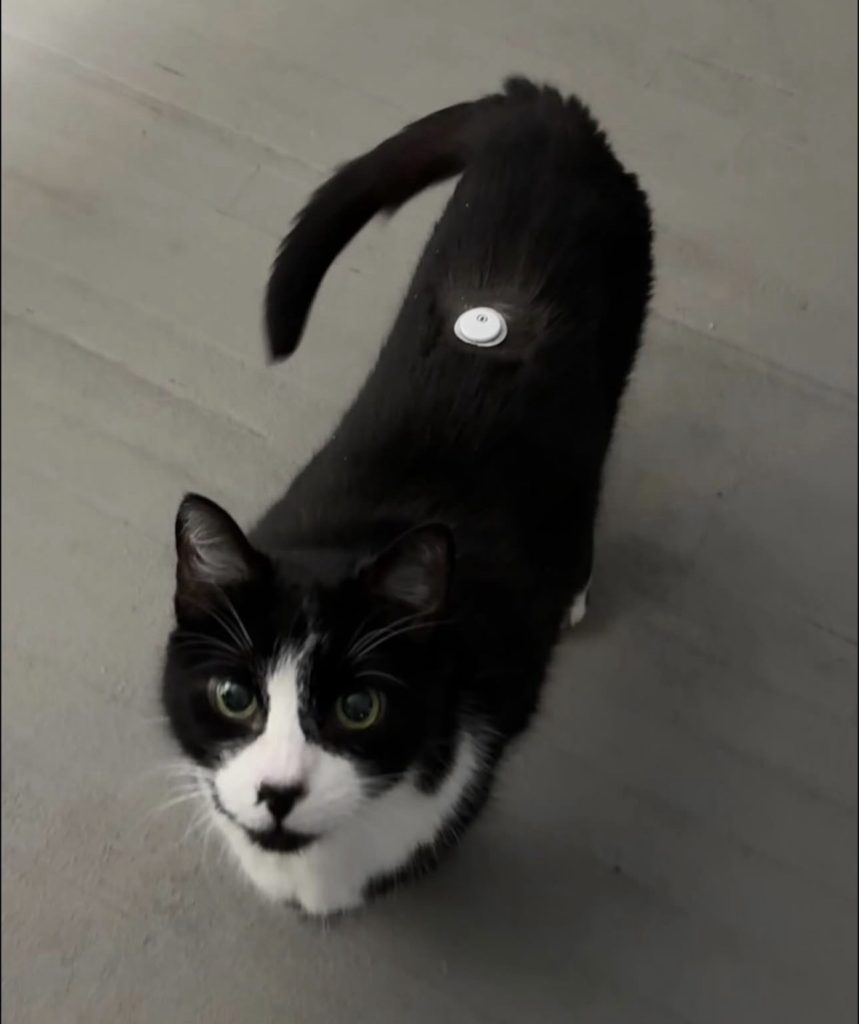
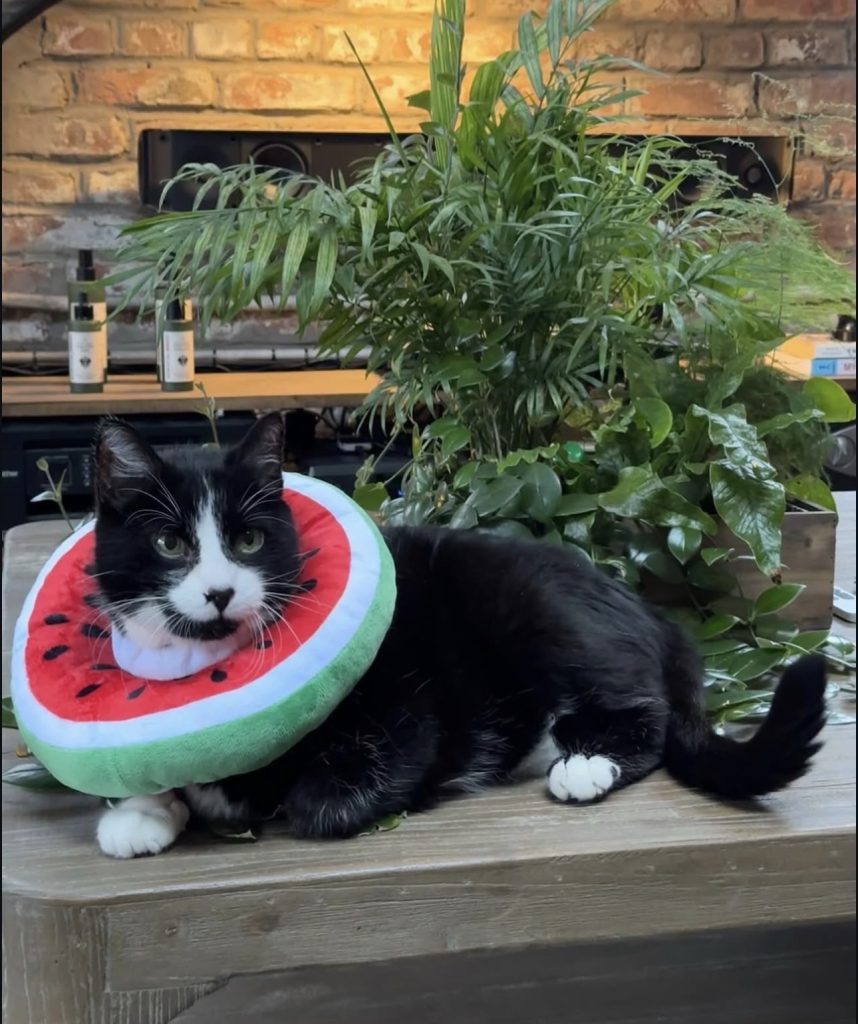
CGMs work the same on cats as humans. The trick is getting them to stay on for 2 weeks to get a well understood curve. Goal being, figure out how much Insulin to apply, to keep him above 80, below 250, but target is 150. Cats can’t decide to eat something with sugar if their numbers are too low, so real-time feedback is a must when learning to apply insulin. Hypoglycemia in cats means death, so better to air on caution and keep numbers higher than lower. This is the case always, not just when learning.
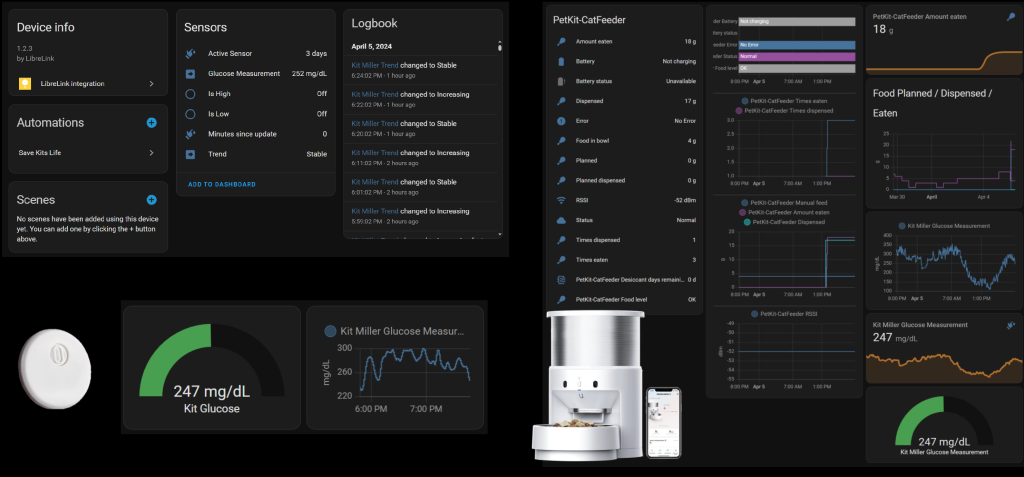
I took this as a challenge. Integrate the CGM within my smart home, to ensure I had real-time feedback over the 2 weeks each sensor provides. Automate any situation where problems may arise. Luckily integrations exist for both Freestyle Libre CGM, and my PetKit smart dry feeder. I was able to pull in the sensor, the feeder, and create an automation that announces when blood sugar is getting low, to drop food and spike the numbers. This meant reading the bluetooth low energy signal from the CGM, using the bluetooth proxy network easily covering the entire loft.
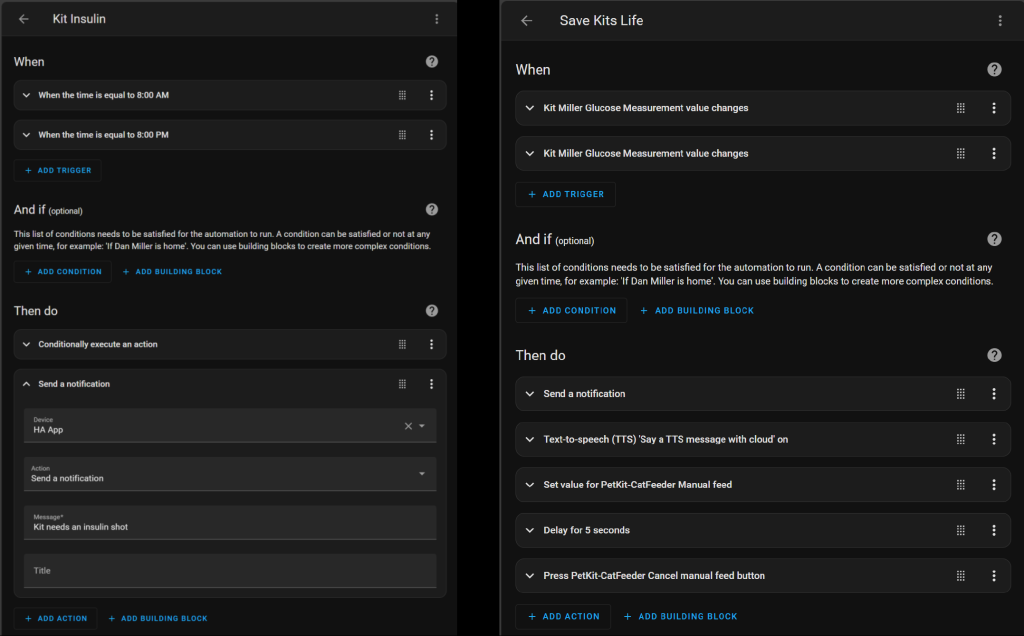
I also created notifications to remind me when to give a shot, as the Lantus Solostar pen, filled with Glargine U100, is designed to cover him for 12 hours per injection. These are announced across the loft, but also sent as a push notification to my phone. I have since added complexity to remove these notifications once i apply insulin, to ensure i don’t forget and apply a second shot a few hours later, doubling the dose. As this would be a fatal error.
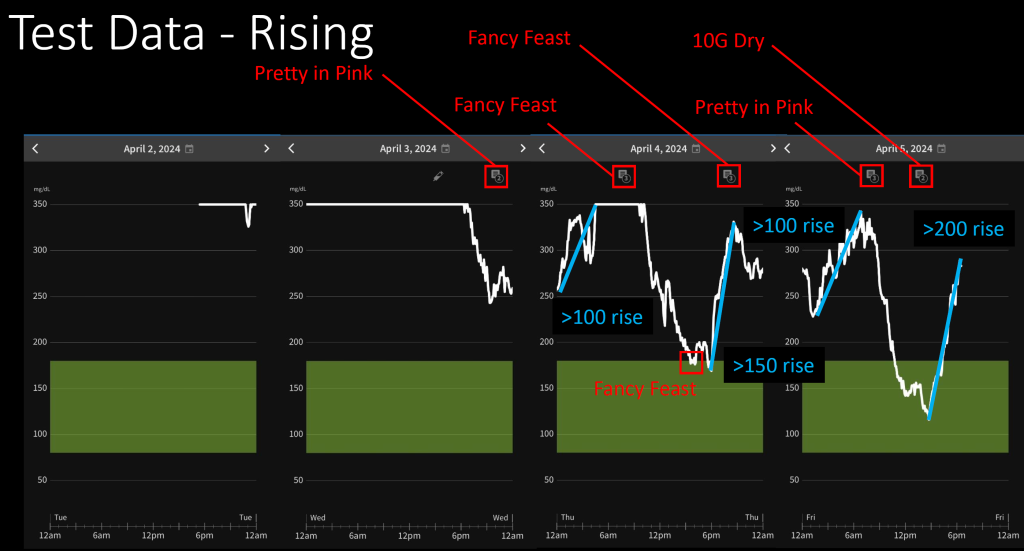
After 2 weeks of data, testing out a variety of wet/dry food, and doses of insulin, I came to the conclusion of the following foods and doses:
- Wet Food: Weruva – Pretty in Pink or Meow me a River
- Dry Food: Dr Elsey – Clean Protein Chicken or Salmon
- Insulin: Lantus Solostar – 2x Morning, 1x Night
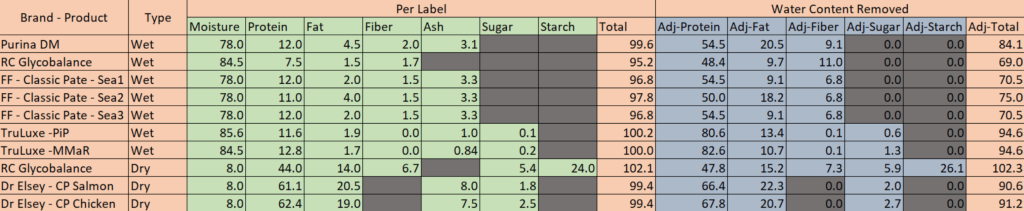
For food types, this was a combination of analysis of ingredients (below), along with feedback from Kit behavior, and research online for quality cat food, tested by third parties. In the data below, you can see the adjusted high protein rate, and relative low sugar, critical to a diabetic diet. These outperformed most prescription diets, and make obtaining the food easier.
Dry food is intended to be used sparingly, but does have a beneficial impact on heath for teeth cleaning properties. The dry food keeps him at bay in the mornings, and lets me sleep in. Wet food breakfast and dinner, with shots applied at each, keep him focused and accepting of the needle.
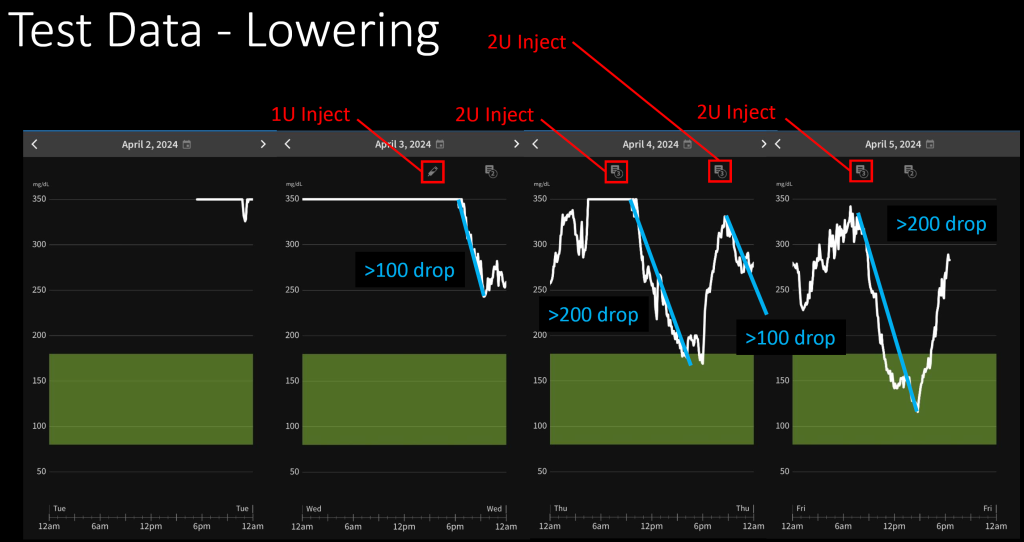
CGM data can easily be seen from a sample of readings on the CGM application, aligned to specific events, where insulin injections lower blood sugar, and food raises. This is a delicate balance, as they have compounding effects, and changing diet means repeated analysis of dose.
2 years later, and we are still under control. In fact, our vet (VetWheels) says he doesn’t even look to be a diabetic cat considering how regulated his numbers are. You can see that the last 2 years have a 188 and 136 reading. We still apply the same dose, and check with a CGM yearly, to ensure nothing has changed. A single value reading isn’t a holistic understanding of the curve.

My full paper here: Kit Diabetes.pdf
A fantastic reference where I started my journey: https://felinediabetes.com/