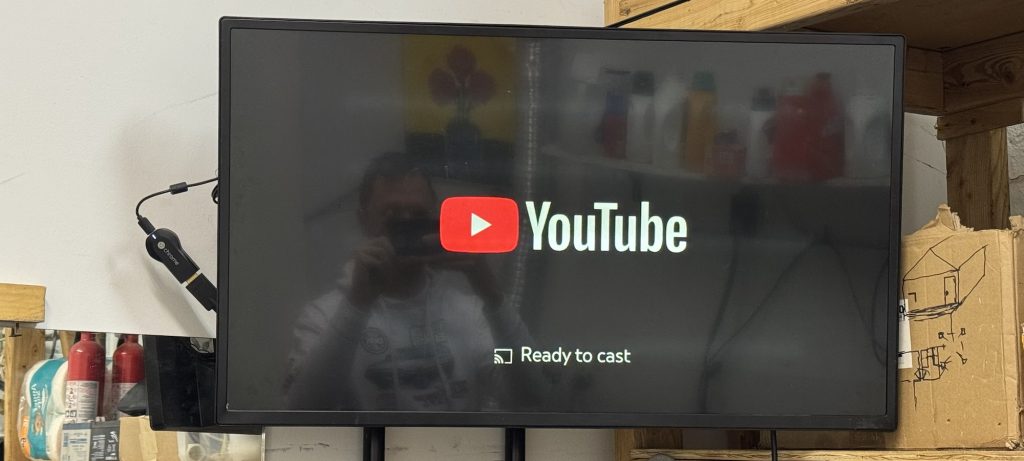
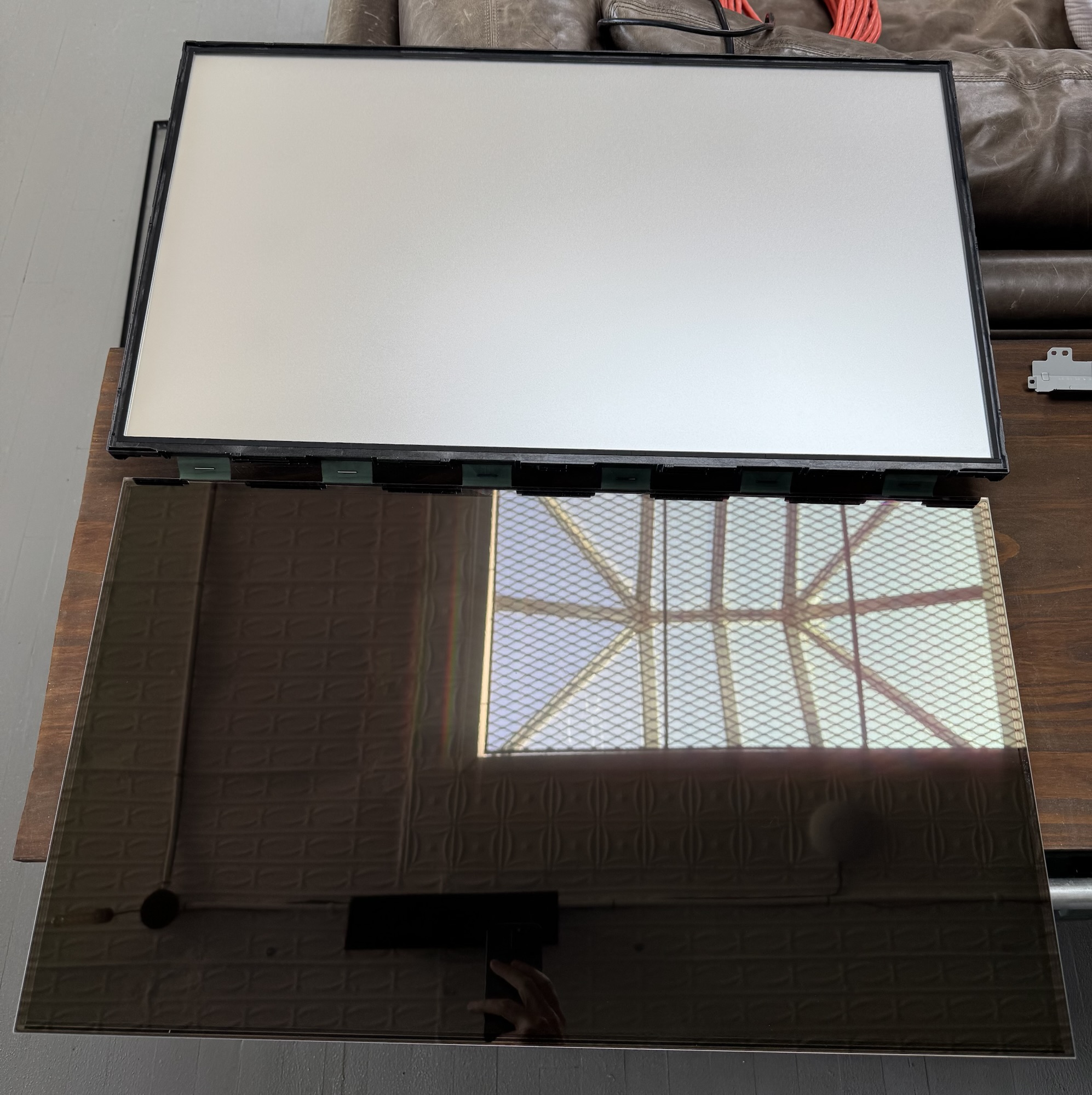
I have a problem letting items become e-waste. Even though this digital signage screen lived a long life, it stayed on my list of things to fix long enough that it survived.
This was once a display for my primary Home Assistant dashboard, scripted to power from an Ethernet capability that the digital signage provided. Nowadays, CEC and Wi-Fi offer this on most base televisions, but commercial signage feels premium.
After years of faithful duty, the backlight gave out, and I could only see the display at night, while shining a light at the LCD. I figured why not try to bring it back to life, even if just a fun project.
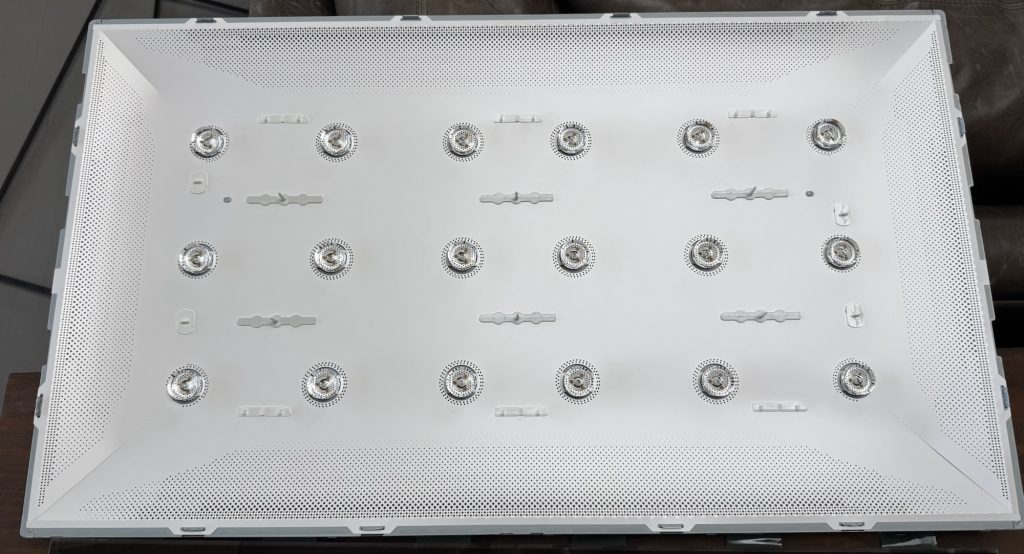
After a bit of blood loss from the sharp edges, I was able to flip down the LCD and expose its diffuser elements. Behind was an array of LEDs that no longer functioned, each with a circular lens to spread LED emission across the many diffusion layers.
I was able to find a maintenance diagram for the display internals, but the series LED design showed no mercy for a single point of failure. It seems one and done with a decently high forward voltage. Not an easy direct swap.
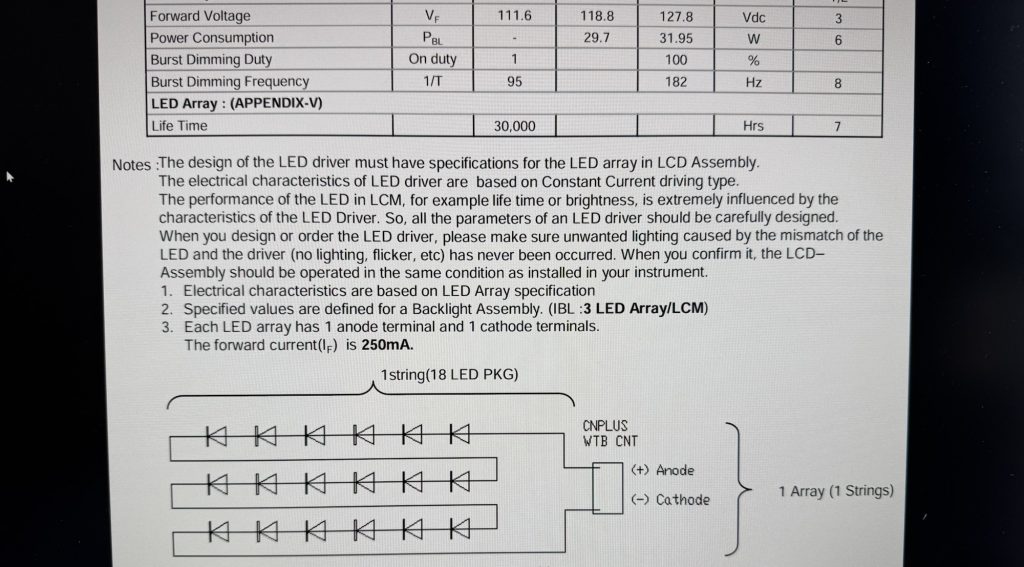
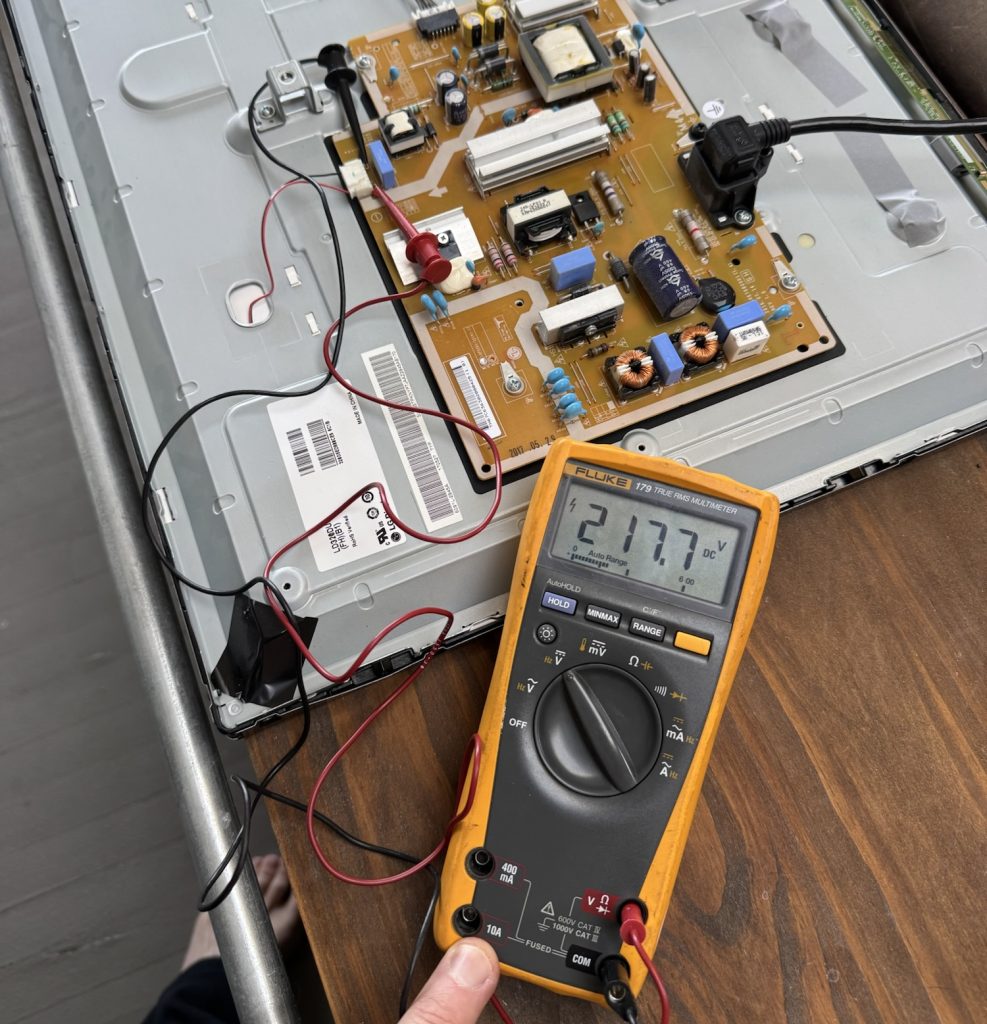
Measuring the open circuit voltage on the failed LED array showed a much higher number than I was expecting! 218VDC! Far higher than the absolute max per the design. I went searching for an alternative means to not dig too deep into the board design.
A 12VDC powered under cabinet LED grid seemed like it might work fine. Not great; but good enough to escape the e-waste bin. I planned to wire directly to the LVPS inside, where the LED circuit was powered from a 13VDC rail.
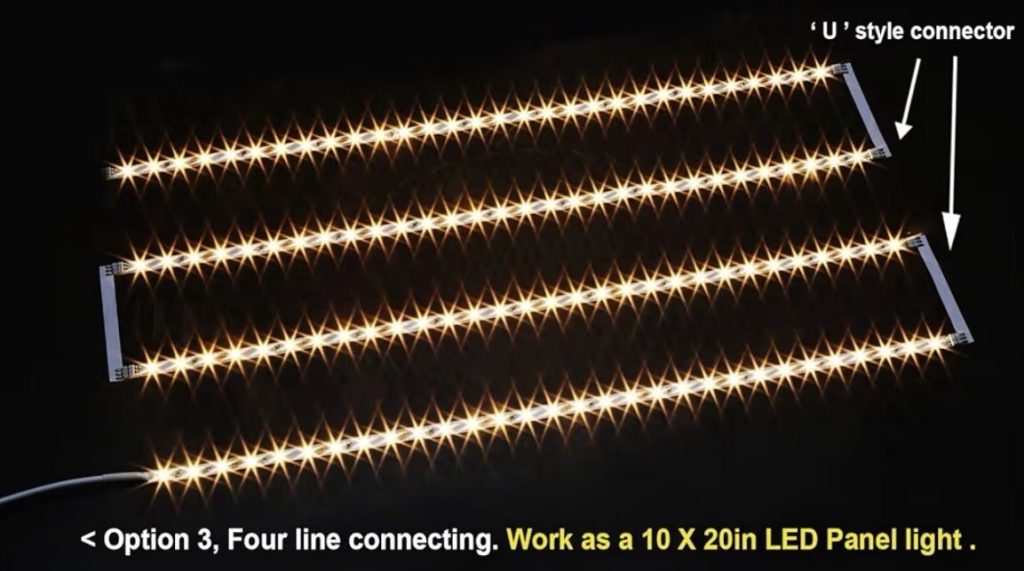
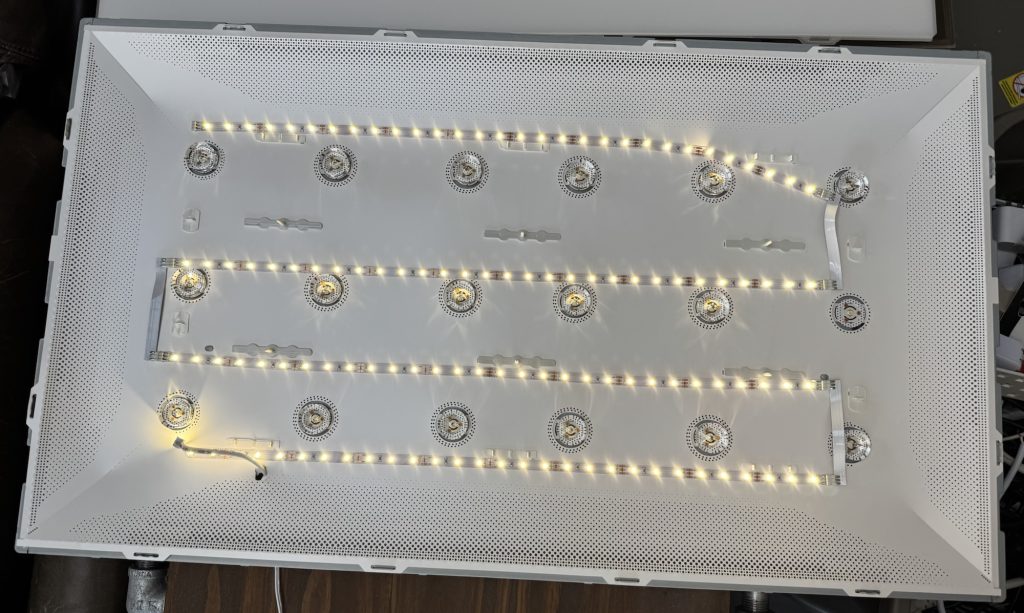
It’s not pretty, but it turns on, and is happy with the slightly higher voltage the panel provides! Time to put it all together.
On a dark screen, it’s actually not bad. Makes for a decent laundry room TV or life as a mainly dark dashboard again. For now, banished to the laundry room.